Instrument Rating
Build the skills and confidence to fly by reference to instruments, navigate the airspace system, and operate in a wider range of weather conditions.
Program Overview
Build Confidence Beyond Clear Skies
An Instrument Rating expands your capabilities as a pilot, preparing you to fly under instrument flight rules (IFR) and navigate when outside visual references are limited, including in clouds. Whether you’re pursuing a professional flying career or want greater flexibility for personal travel, instrument training builds precision, strengthens decision-making, and helps you become a more capable pilot.
At Sevin Aviation, our structured, four-stage course takes you from foundational instrument flying and navigation through holding patterns, approaches, cross-country flying, and checkride preparation. You’ll work with your instructor to build skills progressively, with an emphasis on practical scenarios, weather evaluation, and sound judgment—not just passing the practical test, but preparing for the responsibilities of IFR flying.
- Greater Flexibility for Cross-Country Travel
- Precision Aircraft Control & Navigation
- Stronger Weather & Flight Planning Skills
- A Key Step Toward a Professional Pilot Career
Prerequisites
- Hold a Private Pilot Certificate
- Be able to read, write, speak, and understand English
- Hold a current FAA medical certificate
FAA Requirements
- 50 hours of cross-country time as Pilot In Command
- 40 hours of actual or simulated instrument time
- 250NM IFR cross country flight
- Completion of the required ground training
- Passing the practical test (checkride)
Training Format
Online ground school paired with one-on-one ground lessons and flight instruction, with an emphasis on instrument procedures and practical IFR scenarios.
Program Outcome
Graduation with an FAA Instrument Rating — Airplane
Program Curriculum
What You'll Learn

Stage 1 - Instrument Flying & Navigation
Develop the skills to control the aircraft by reference to instruments. Build an effective instrument scan and learn to navigate using GPS and ground-based navigation systems.
Stage 2 - Holding & Approaches
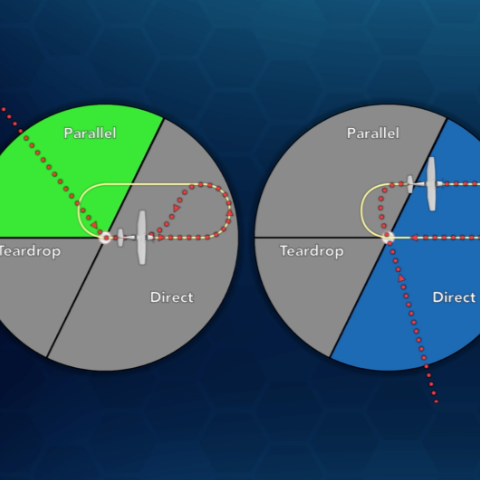
Learn to fly holding patterns, instrument approaches, and missed approach procedures. Practice managing aircraft configuration, navigation, and communications while maintaining accuracy throughout each maneuver.
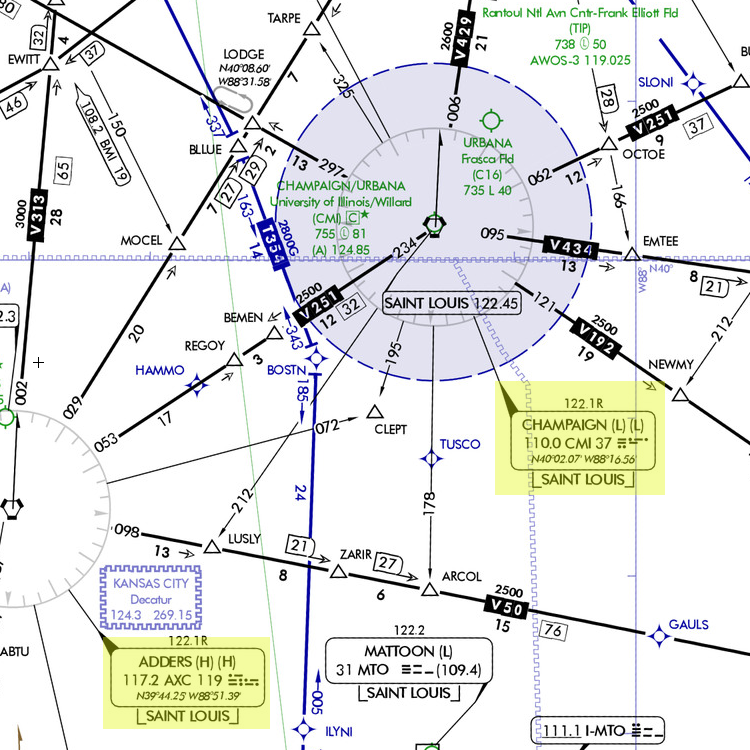
Stage 3 - Cross Country
Bring your instrument skills together on IFR cross-country flights. Gain experience following clearances, working with air traffic control, and managing your workload from departure through arrival.
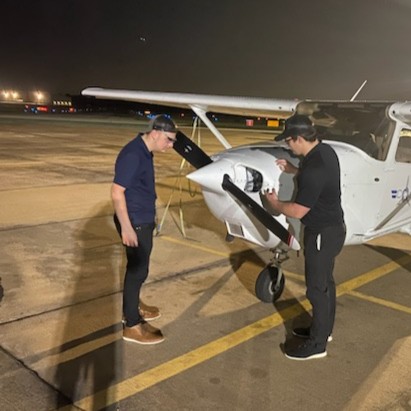
Stage 4 - Checkride Prep
Polish your flying skills and strengthen your knowledge through focused review and practice. Prepare for the oral and flight portions of your instrument practical test with guidance from your instructor.
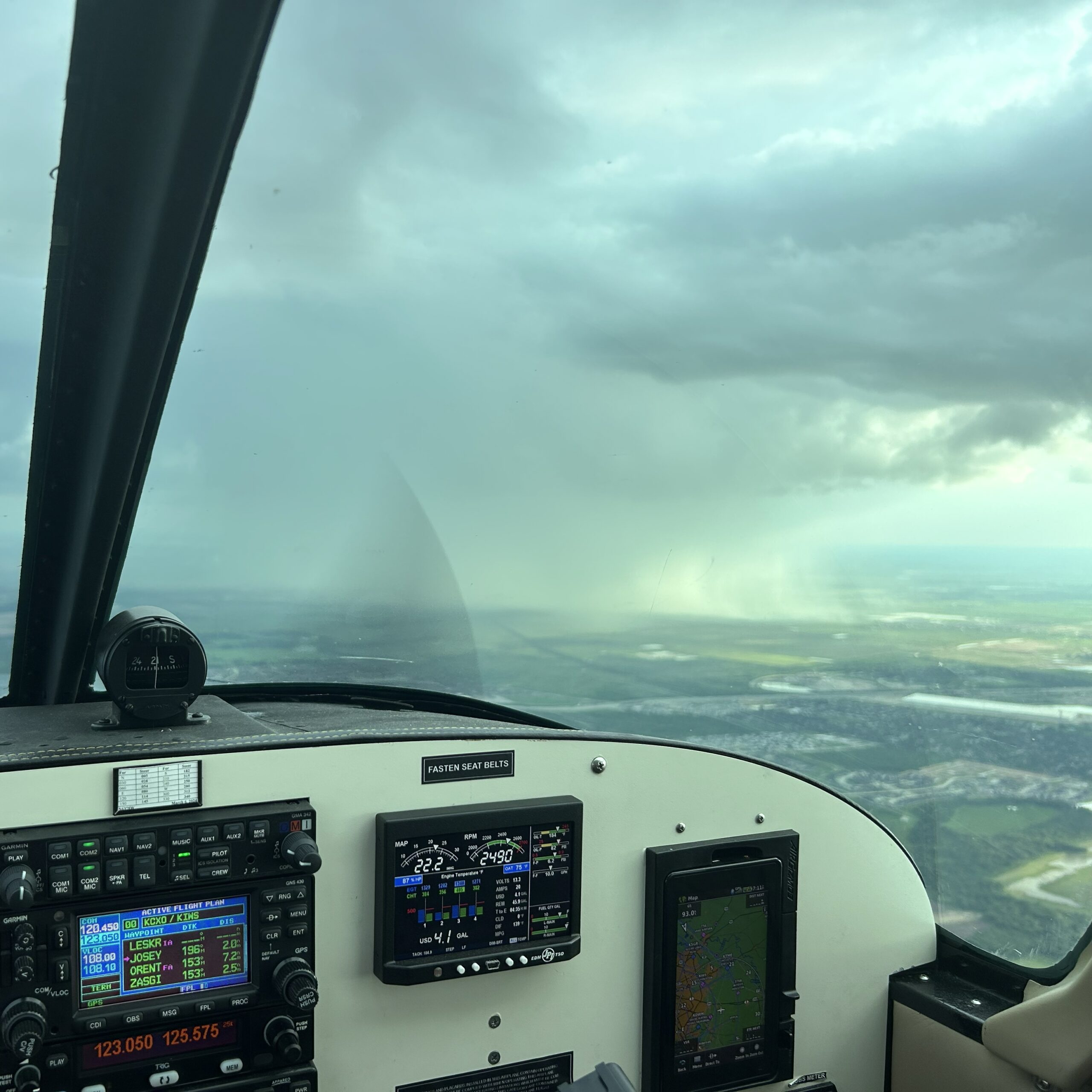
Weather & Flight Planning
Learn to interpret aviation weather, evaluate conditions, and plan routes, fuel, and alternate airports. Develop the judgment to make informed go/no-go decisions and adjust your plans as conditions change.
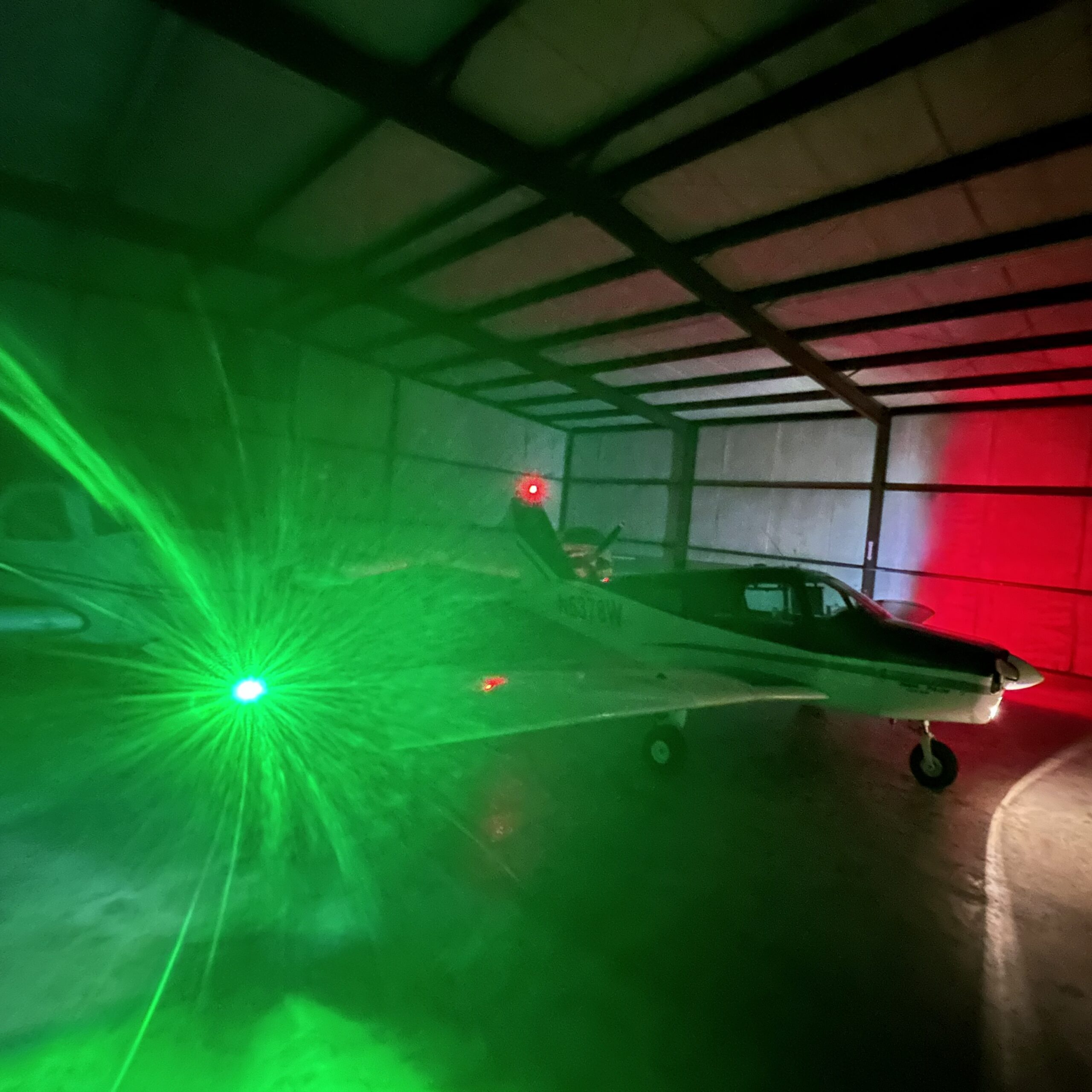
Emergency & Abnormal Procedures
Build confidence handling instrument failures, lost communications, and other unexpected situations. Learn to prioritize tasks, maintain aircraft control, and make sound decisions under pressure.
